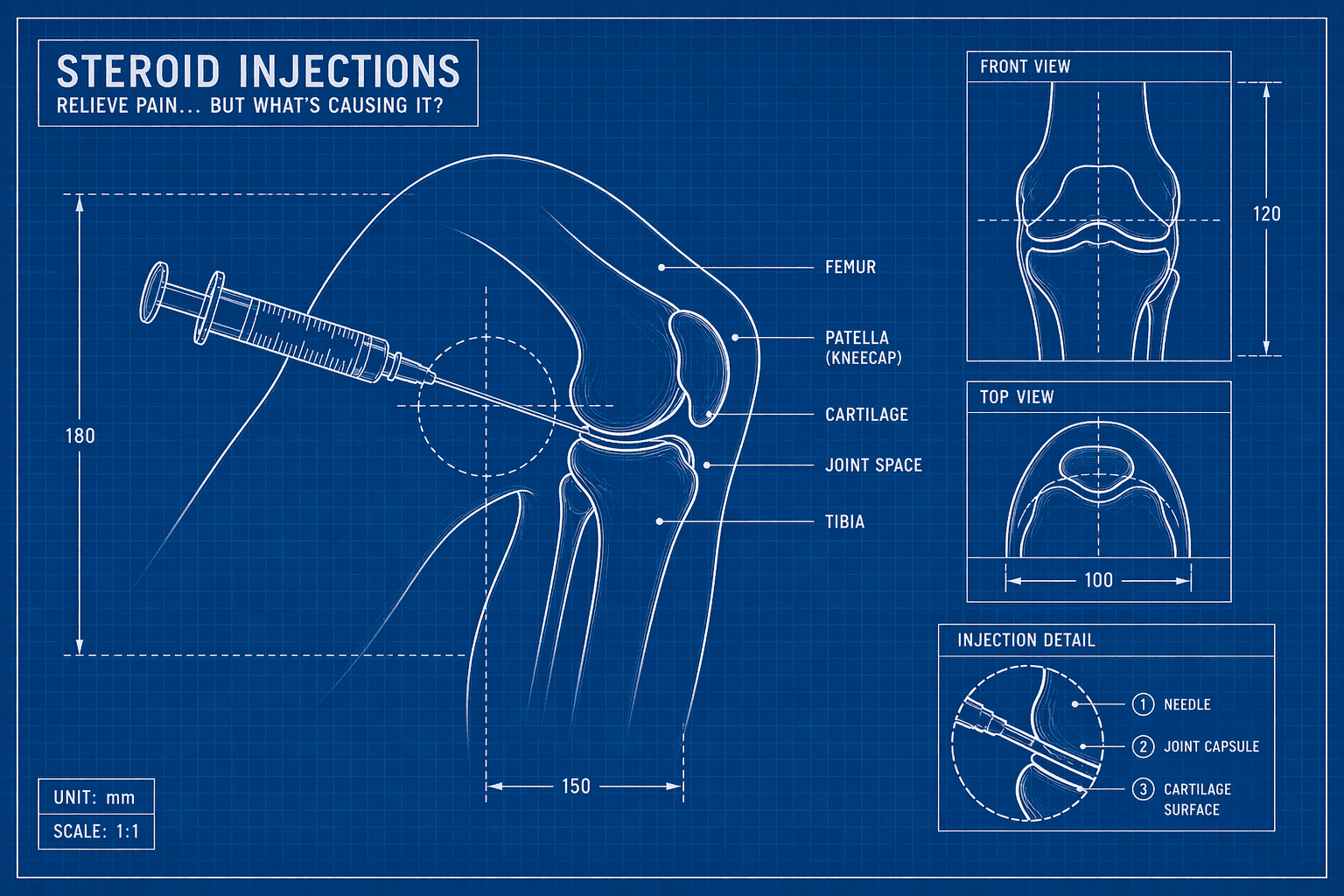
Arthritis Steroid Injections: Benefits, Risks, and Allergy Reactions You Should Know
What Are Steroid Injections for Arthritis?
Steroid injections use corticosteroids to reduce inflammation in painful joints. They are commonly used for conditions such as:
-
Osteoarthritis
-
Rheumatoid Arthritis
-
Tendon and joint inflammation
These injections are typically administered directly into the affected joint (knee, shoulder, spine) to provide targeted relief.
How Steroid Injections Work
Steroids suppress inflammatory chemicals in the body, reducing swelling and pain inside the joint.
Common injectable steroids include:
-
Triamcinolone
-
Methylprednisolone
In some cases, oral steroids such as Prednisone are used for short-term flare control.
What Patients Usually Experience
Most patients report:
-
Pain relief within 24–72 hours
-
Reduced joint swelling
-
Improved movement and function
-
Temporary relief lasting weeks to months
However, this is symptom control—not structural healing.
Side Effects of Steroid Injections
While generally safe when used occasionally, steroids can cause side effects:
Short-term effects:
-
Temporary pain flare after injection
-
Facial flushing
-
Mood changes
-
Temporary increase in blood sugar
Long-term risks (with repeated use):
-
Cartilage thinning
-
Tendon weakening
-
Accelerated joint degeneration
-
Bone density loss (Osteoporosis)
-
Hormonal suppression (with systemic exposure)
Steroid Allergy Reactions (Important but Often Overlooked)
Although rare, some patients may experience allergic or hypersensitivity reactions to steroid injections or their additives (preservatives, local anesthetics, or the steroid compound itself).
Possible allergic reactions include:
Mild reactions:
-
Skin rash or hives
-
Itching at or around the injection site
-
Local swelling or redness
Moderate reactions:
-
Facial flushing
-
Dizziness or lightheadedness
-
Nausea
Rare but serious reactions:
-
Difficulty breathing
-
Swelling of face, lips, or throat (angioedema)
-
Severe allergic response (anaphylaxis)
Why Do Allergy Reactions Happen?
True steroid allergies are uncommon. More often, reactions are caused by:
-
Preservatives in the injection solution
-
Local anesthetics mixed with the steroid
-
Sensitivity to excipients rather than the steroid itself
This is why proper medical screening is important before injection.
When Steroid Injections Are Useful
They are most appropriate when:
-
Pain is severe and limiting movement
-
There is an acute inflammatory flare
-
Short-term relief is needed before rehabilitation
-
Conservative care alone is not enough
However, repeated use without addressing underlying causes may lead to diminishing benefits.
The Core Problem: Why Pain Returns
Steroids reduce inflammation—but not the reason it develops.
Common underlying drivers include:
-
Poor joint mechanics
-
Muscle imbalance
-
Weak stabilisation control
-
Repetitive overload in daily movement
Without correcting these, inflammation often returns once the injection wears off.
A More Sustainable Approach to Arthritis
Long-term recovery should focus on restoring function, not just suppressing pain.
At a movement-based clinic approach, priorities include:
-
Improving joint mechanics
-
Strengthening stabilising muscles
-
Enhancing movement control
-
Reducing abnormal load on joints
This helps reduce recurrence instead of repeatedly relying on injections.
Steroids vs Long-Term Rehabilitation
Steroid injections are often used because they provide fast pain relief and can quickly reduce inflammation inside the joint. However, their effect is usually temporary, meaning the pain relief may fade after a period of time. This approach is generally considered a passive form of treatment because it focuses on calming symptoms rather than addressing the underlying cause.
In contrast, functional rehabilitation works differently. Instead of offering immediate relief, it focuses on gradual but lasting improvement by retraining how the body moves and functions. It helps to address the root cause of the problem, rather than only suppressing inflammation. Over time, this approach aims to prevent recurrence by improving strength, control, and joint stability. Unlike injections, it is an active process that requires patient participation and builds long-term resilience.
When to Be Cautious
Extra caution is needed if you have:
-
Frequent need for repeated injections
-
Diabetes or blood sugar instability
-
Early degenerative joint changes
-
History of osteoporosis (Osteoporosis)
-
Past allergic or unusual reactions to medications
Final Takeaway
Steroid injections can be effective for short-term arthritis relief, but they are not a long-term solution.
They should be used as:
A temporary tool to reduce inflammation—not a replacement for restoring movement and joint function.
Understanding both side effects and rare allergy reactions helps patients make safer, more informed decisions about their joint health.