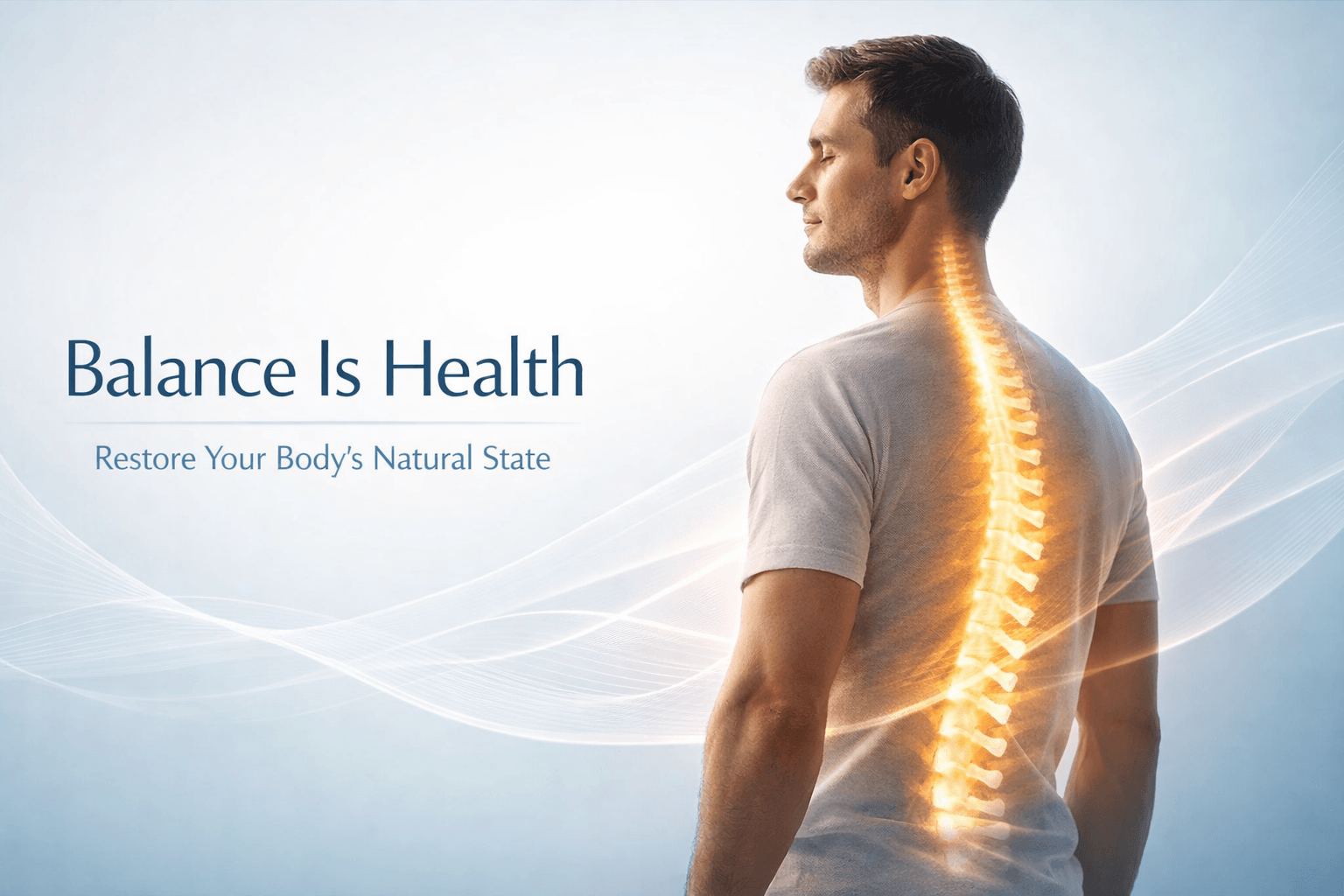
Homeostasis: The Hidden Key to Health, Healing, and Performance
What Is Homeostasis?
Homeostasis is your body’s built-in ability to maintain a stable internal environment—no matter what is happening outside.
From body temperature and blood sugar levels to hydration and muscle tension, your system is constantly self-regulating to keep everything within a narrow, healthy range.
This concept is rooted in biology and physiology, particularly in the field of Physiology, where scientists study how the body keeps itself alive, balanced, and functioning optimally.
Why Homeostasis Matters More Than You Think
Your body is not static—it’s dynamic and constantly adapting.
Every second, your nervous system, hormones, and musculoskeletal system are working together to maintain equilibrium. When homeostasis is achieved, you feel:
-
Energized
-
Pain-free
-
Mentally clear
-
Physically strong
But when homeostasis is disrupted, symptoms begin to appear:
-
Chronic pain
-
Fatigue
-
Poor posture
-
Hormonal imbalances
-
Reduced healing capacity
This is where many people misunderstand their health. They treat symptoms—but ignore the imbalance underneath.
The Nervous System: Your Master Regulator
At the center of homeostasis is your nervous system—especially the Autonomic Nervous System.
It has two main branches:
-
Sympathetic (fight or flight)
-
Parasympathetic (rest and repair)
A healthy body shifts between these two states seamlessly.
But in today’s fast-paced lifestyle, many people are stuck in “fight or flight” mode—leading to:
-
Tight muscles
-
Shallow breathing
-
Poor recovery
-
Increased inflammation
Over time, this imbalance pulls the body away from homeostasis.
Homeostasis and the Spine: The Missing Link
Here’s what most people don’t realize:
Your spine plays a critical role in maintaining homeostasis.
The spine protects your spinal cord—the main communication highway between your brain and body. If there is misalignment, restriction, or chronic tension, it can interfere with how signals are transmitted.
This disruption can affect:
-
Muscle coordination
-
Organ function
-
Pain perception
-
Healing response
In fields like Chiropractic, restoring alignment and movement is seen as a way to help the body return to balance—not just relieve symptoms.
How the Body Tries to Compensate
When your body is out of balance, it doesn’t just “break”—it adapts.
For example:
-
A weak core → your lower back tightens
-
Poor posture → neck muscles overwork
-
Old injuries → other joints compensate
This is the body’s attempt to maintain homeostasis, even under stress.
But compensation is not the same as healing.
Over time, these patterns lead to:
-
Wear and tear
-
Chronic pain cycles
-
Reduced performance
Everyday Factors That Disrupt Homeostasis
Modern lifestyle is one of the biggest threats to your body’s natural balance:
1. Sedentary Work
Long hours sitting reduce circulation and weaken stabilizing muscles.
2. Poor Nutrition
Highly processed foods disrupt blood sugar regulation and inflammation.
3. Stress Overload
Chronic stress keeps your nervous system in survival mode.
4. Lack of Movement
Movement is essential for circulation, joint health, and nervous system input.
How to Restore Homeostasis Naturally
The good news? Your body wants to heal.
You just need to remove interference and support the system.
1. Move Daily
Simple, consistent movement improves circulation and nervous system balance.
2. Prioritize Sleep
Sleep is when your body resets and repairs.
3. Support Your Spine
Posture, ergonomics, and targeted care can reduce strain on your nervous system.
4. Breathe Properly
Deep breathing activates your parasympathetic system.
5. Reduce Stress Load
Not just mentally—but physically and chemically too.
The Bigger Picture: Balance Over Perfection
Health is not about doing everything perfectly.
It’s about maintaining balance.
Homeostasis teaches us that the body is constantly adjusting, compensating, and healing—if given the right environment.
Instead of chasing quick fixes, focus on restoring balance at the root.
Because when your body is in homeostasis:
-
Healing becomes faster
-
Pain becomes less frequent
-
Energy becomes sustainable
Final Thought
Your body is incredibly intelligent.
It is always working to bring you back to balance—even when you don’t realize it.
The question is:
Are you supporting that process, or working against it?
Medical Disclaimer
This article is for educational purposes only and does not constitute medical advice.
Scoliosis varies significantly between individuals. Always consult a qualified healthcare professional before starting any new sport or exercise program, especially if you have scoliosis, spinal conditions, pain, or previous injuries. Participation in sports should be guided by individual assessment and professional recommendation.
The image is shared for educational purposes with patient consent. Individual outcomes vary. Structural correction does not automatically restore full respiratory function. Clinical assessment is required.
Copyright & Content Protection Notice
© 2026 All Well Scoliosis Centre. All rights reserved.
This content is original and protected by copyright law.
No part of this article may be reproduced, distributed, copied, or reused in any form without prior written permission. Unauthorized use, duplication, or content scraping is strictly prohibited.