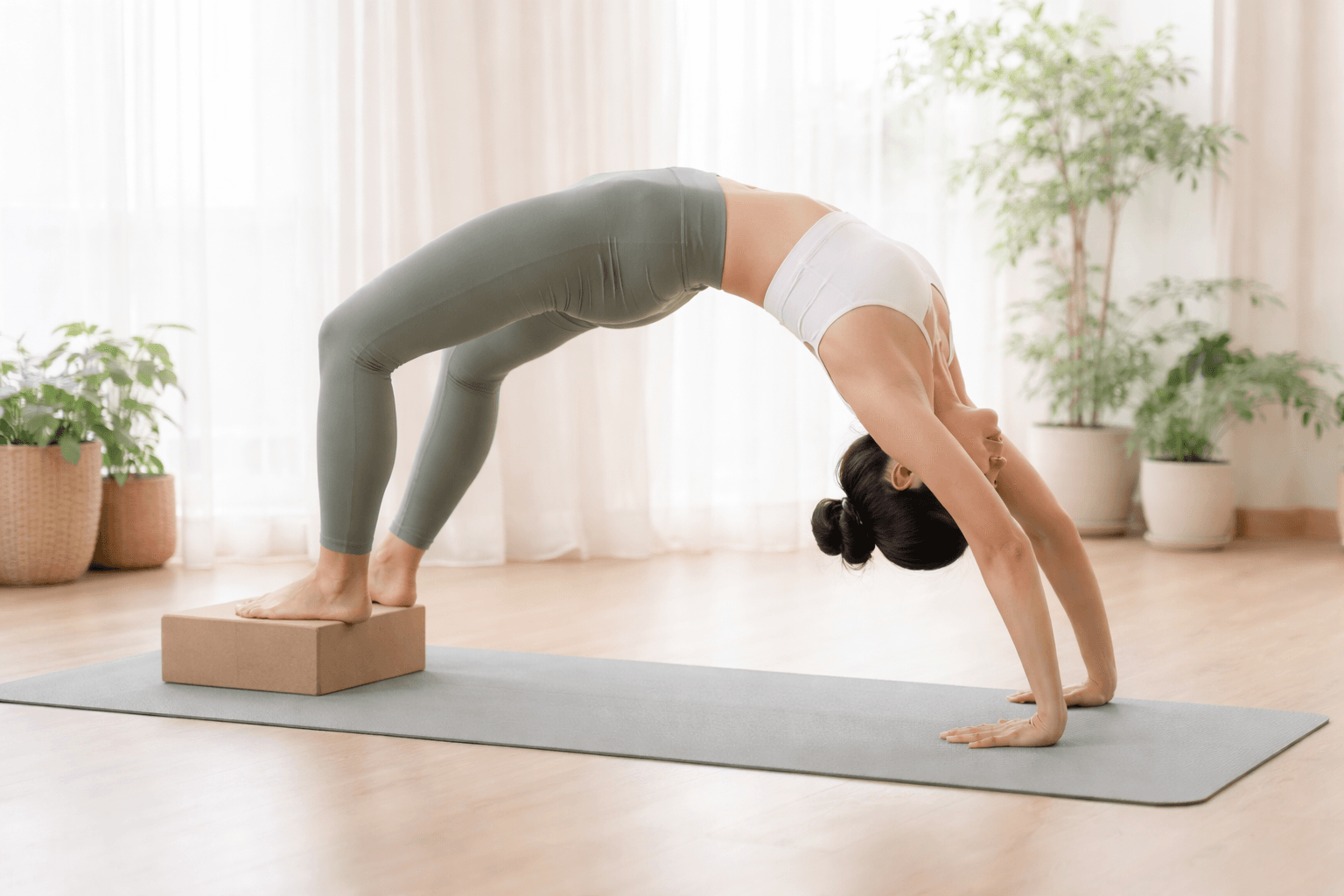
Raised Foot Spinal Sweep: A Nervous-System–Led Way to Restore Movement
Most people assume tightness in the hamstrings or lower back is a flexibility problem.
Stretch more. Hold longer. Push harder.
But in clinical practice, especially when working with spinal conditions like scoliosis, disc irritation, or long-standing stiffness, we often see something different:
👉 The body isn’t tight because it’s short. It’s tight because it’s cautious.
The Raised Foot Spinal Sweep is not a traditional stretch. It is a communication-based movement that speaks directly to the nervous system, helping it feel safe enough to release, coordinate, and move again.
This is why the exercise often feels surprisingly relieving — even without forcing range.
Beyond Stretching: Why This Movement Feels Different
When you raise one foot and sweep the torso forward and across the body, multiple systems are being challenged at the same time:
-
The spine moves segment by segment
-
One leg is loaded while the other stabilises
-
The brain must coordinate balance, rotation, and reach
This complexity is intentional.
Instead of pulling on tissue, we are updating the brain’s map of the body.
1. Reintroducing Neural Mobility (Not Just Muscle Length)
Hamstrings often feel tight because they sit along a major neural pathway — the sciatic nerve.
When the nervous system senses threat, underuse, previous injury, or instability, it may limit movement as a protective response. This presents as:
-
Persistent hamstring tightness
-
Pulling behind the knee
-
Resistance during forward bending
The Raised Foot Spinal Sweep gently exposes the nervous system to:
-
Spinal flexion
-
Hip hinging
-
Controlled limb loading
All without sudden force.
Over time, this teaches the brain:
“This movement is safe. I don’t need to guard anymore.”
That’s when range begins to return naturally.
2. Dynamic Sciatic Nerve Gliding (Often Called Nerve Flossing)
Although it looks like a stretch, this movement functions more like a nerve mobility drill.
With one foot elevated:
-
The sciatic nerve is gently tensioned along the pelvis and posterior thigh
-
The sweeping motion changes that tension dynamically
-
Rotation alters how the nerve glides relative to surrounding tissues
Instead of holding a static position, the nerve is allowed to move, slide, and adapt.
This is especially relevant for individuals with:
-
Long hours of sitting
-
Previous lower back pain
-
Asymmetrical spinal loading (including scoliosis)
The alternating sides ensure both neural pathways are exposed to motion — restoring balance and confidence in movement.
3. Integrated Coordination: Spine, Shoulders, and Hips Working Together
Unlike isolated stretches, the Raised Foot Spinal Sweep requires the body to coordinate multiple regions simultaneously:
-
Lumbar control during forward movement
-
Thoracic flexion and rotation
-
Shoulder mobility during the sweep
-
Pelvic stability from the grounded leg
This turns the exercise into a full-body coordination task.
The brain must decide:
-
How much to move
-
Where to stabilise
-
When to rotate
This neurological engagement is what makes the movement so effective — and why it often feels easier and lighter after just a few repetitions.
4. Novel Movement = Neuromuscular Re-Education (NRE)
The nervous system thrives on new, meaningful input.
Repeating the same stretches daily provides very little new information. But movements that are:
-
Slightly unfamiliar
-
Multi-directional
-
Controlled and intentional
Stimulate deeper neuromuscular responses.
The Raised Foot Spinal Sweep fits into what clinicians call Neuromuscular Re-Education (NRE) — retraining how the brain organises movement.
This is how we support:
-
Long-term mobility
-
Movement confidence
-
Spine resilience
Not by forcing range, but by improving communication.
Who Benefits Most From This Exercise?
This movement is particularly useful for:
-
Individuals with recurring hamstring tightness
-
Adults with desk-bound lifestyles
-
Teens in growth phases
-
Patients with spinal asymmetry or scoliosis
-
Anyone who feels stiff despite regular stretching
It is gentle, adaptable, and can be progressed or regressed based on comfort and control.
A Final Note on Movement Longevity
Healthy movement is not built through intensity alone.
It is built through clarity, coordination, and trust between the brain and the body.
The Raised Foot Spinal Sweep offers the nervous system a chance to re-learn movement without fear — and that is often where true flexibility begins.
This article is intended for educational purposes only and does not replace professional medical advice. Always consult a qualified healthcare provider before starting new exercises, especially if you have pain or a diagnosed spinal condition.