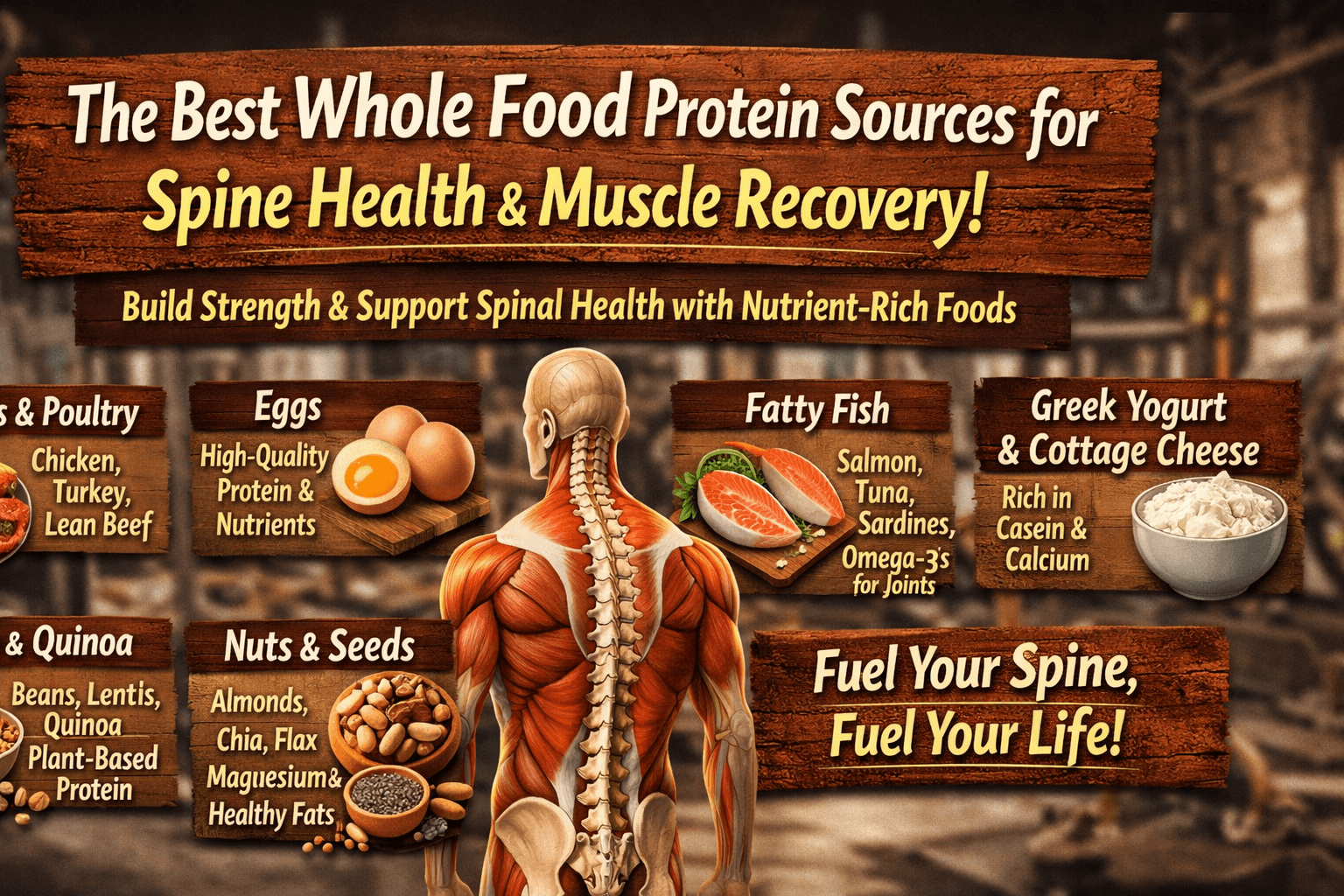
The Truth About Protein Intake: How Much Do We Really Need?
Protein is one of the most misunderstood nutrients in modern nutrition. Some people believe we eat far too much, while others think we are not eating nearly enough, especially if we want to build muscle, stay active, or protect our spine and skeletal system.
At my clinic, many patients—especially those with scoliosis or undergoing spinal rehabilitation—often ask the same question:
“Can I still train hard? Can I do events like HYROX even if I have scoliosis?”
My answer is almost always yes—but only if you train intelligently, build progressive strength, and fuel your body properly with adequate protein.
Protein is not just about muscle aesthetics. It is about recovery, structural support, metabolic health, and long-term resilience of the body.
Why Protein Matters More Than People Think
Protein is made of amino acids that serve as the building blocks of life. Your body constantly uses protein to repair and maintain:
-
Muscles
-
Tendons and ligaments
-
Bones
-
Spinal discs
-
Enzymes and hormones
-
Immune cells
For patients in spinal rehabilitation, protein is particularly critical because the body is constantly trying to:
-
Repair tissues
-
Adapt to exercises
-
Build supportive musculature around the spine
Without enough protein, the body simply cannot rebuild itself efficiently.
The Biggest Myth About Protein Intake
One of the biggest myths in nutrition is that most people are eating too much protein.
In reality, the opposite is often true.
Many adults consume protein levels that are barely enough to prevent deficiency, but not enough to support optimal muscle health, metabolic function, or recovery from training.
Another myth is that protein distribution throughout the day matters more than the total intake.
In reality:
Your total daily protein intake is far more important than how you distribute it.
Once the daily target is met, timing and distribution become secondary factors.
The Evidence-Based Protein Target for Muscle Growth
Research consistently shows that to maximize muscular adaptations to resistance training—including strength and muscle growth—the optimal intake is approximately:
1.6 grams per kilogram of body weight
or
0.7 grams per pound of body weight
This level of intake supports:
-
muscle repair
-
muscle protein synthesis
-
recovery from training
-
improved body composition
For example:
If someone weighs 70 kg, their protein target would be:
70 × 2.2 = 154 grams of protein per day
At first this sounds like a lot. Many people imagine they would have to drink endless protein shakes.
But in reality, it becomes easy when protein is spread across whole foods and supplements.
Protein Needs for the General Public and Recreational Athletes
For individuals who want to lose fat while gaining muscle, I typically recommend:
1.6 – 2.2 grams of protein per kilogram of target body weight
This range works extremely well for:
-
recreational athletes
-
gym-goers
-
runners
-
CrossFit participants
-
individuals in rehabilitation
It helps maintain muscle mass even when calories are reduced.
For example:
A person with a goal weight of 70 kg could aim for:
112 – 154 grams of protein daily
Protein Needs for Women
Women should generally start at the lower end of the range:
1.6 grams per kilogram of target body weight
This is mainly because women typically have:
-
a higher percentage of body fat
-
slightly lower lean muscle mass compared to men
However, once strength training becomes more intense, women can also benefit from moving toward the higher end of the range.
Why Athletes Often Eat 5–6 Meals Per Day
Elite bodybuilders and high-performance athletes often consume 5–6 meals per day.
These individuals are usually operating near their genetic ceiling for muscle growth and require:
-
higher total calories
-
constant recovery support
-
steady amino acid availability
Their intake is often double that of the average person.
But for most people, hitting your daily protein target is far more important than mimicking elite athlete meal schedules.
Very High Protein Diets: Are They Dangerous?
Many people worry that high protein diets may damage organs like the kidneys or liver.
However, extensive research—including studies by Joey Antonio and colleagues—has examined very high protein intakes ranging from:
3.3 to 4.4 grams per kilogram of body weight
These studies found:
-
No harmful effects on kidney function
-
No damage to liver health
-
No negative impact on bone density
The human body is well equipped to metabolize high levels of protein.
The only population that needs caution is individuals with pre-existing kidney disease.
For healthy people, high protein intake is generally safe.
Protein and Aging: Preventing Muscle Loss
One major reason protein intake becomes even more important with age is the risk of Sarcopenia.
Sarcopenia refers to the gradual loss of muscle mass and strength that occurs as we age.
Low protein diets combined with inactivity accelerate this process dramatically.
Adequate protein intake, combined with resistance training, is one of the most powerful strategies to maintain independence, mobility, and bone health in older adults.
Animal vs Plant Protein: Are They Equal?
Not all protein sources behave the same in the body.
Animal proteins generally stimulate muscle protein synthesis more strongly than plant proteins. Examples include:
-
eggs
-
dairy
-
meat
-
fish
They are often described as more “anabolic”, meaning they promote muscle building more effectively.
However, interestingly, mycoprotein (a fungus-based protein source) has been shown in some research to stimulate muscle protein synthesis even more than milk protein.
Despite these differences, real-world training studies comparing:
-
vegans
-
omnivores
during 12 weeks of progressive resistance training show no significant difference in muscle growth when total protein intake is matched.
The takeaway:
A mix of protein sources is ideal.
Protein and Endurance Training
Endurance activities such as:
-
long-distance running
-
functional fitness
-
events like HYROX
-
high-volume conditioning workouts
can rapidly deplete energy stores.
Many athletes rely only on carbohydrates, but this approach can leave them feeling fatigued and under-recovered.
Protein supports:
-
muscle repair
-
recovery between training sessions
-
preservation of lean muscle mass
When protein intake is adequate, endurance athletes often experience better recovery and improved performance.
My Personal Protein Strategy
As someone who trains regularly and enjoys high-intensity functional fitness similar to CrossFit, my personal target is:
At least 160 grams of protein per day
This is easily achieved through:
-
whole foods from meal preparation
-
protein shakes
For example:
-
Two scoops of protein powder → about 50 grams
-
High-protein whole meals throughout the day
When each meal contains a solid protein base, reaching the daily target becomes surprisingly simple.
Protein and Spine Health
Protein is not just about building visible muscle.
It is essential for:
-
spinal stabilizing muscles
-
connective tissue repair
-
ligament strength
-
bone health
For patients managing scoliosis or recovering from spinal injuries, maintaining sufficient protein intake supports the musculoskeletal system that protects the spine.
Combined with progressive resistance training, it helps build the structural support needed for long-term spine health.
The Bottom Line
Protein is not a fad nutrient. It is a fundamental requirement for human health.
For most adults:
-
1.6 g/kg supports muscle growth and recovery
-
1.6–2.2 g/kg supports fat loss with muscle retention
-
Higher intakes are generally safe for healthy individuals
The real problem is not excessive protein consumption.
The real problem is that many people simply do not eat enough of it.
When combined with disciplined training, proper nutrition—including adequate protein—can dramatically improve:
-
physical performance
-
spinal stability
-
metabolic health
-
longevity
And for those asking whether scoliosis or back issues mean they must avoid physical challenges:
The answer is no.
With the right training, the right mindset, and the right nutrition, the body is capable of far more than most people believe.
Medical Disclaimer
This article is for educational purposes only and does not constitute medical advice.
Scoliosis varies significantly between individuals. Always consult a qualified healthcare professional before starting any new sport or exercise program, especially if you have scoliosis, spinal conditions, pain, or previous injuries. Participation in sports should be guided by individual assessment and professional recommendation.
The image is shared for educational purposes with patient consent. Individual outcomes vary. Structural correction does not automatically restore full respiratory function. Clinical assessment is required.
Copyright & Content Protection Notice
© 2026 All Well Scoliosis Centre. All rights reserved.
This content is original and protected by copyright law.
No part of this article may be reproduced, distributed, copied, or reused in any form without prior written permission. Unauthorized use, duplication, or content scraping is strictly prohibited.